Most of my scholarly research has focused on the early American republic, the period extending from the American Revolution through the 1820s. I study the Founding Fathers and the nation they helped build. In addition to studying some of the most familiar names in American history–George Washington, Thomas Jefferson, Lewis and Clark–I have also chronicled how other Americans–white settlers, enslaved African Americans, and Native Americans–all sought to define what the United States would be.
I have focused with particular attention on the history of government. That means exploring how the authors of the Constitution imagined the federal government, and also how Americans in the decades that followed shaped the institutions of governance at the local, state, and federal levels.
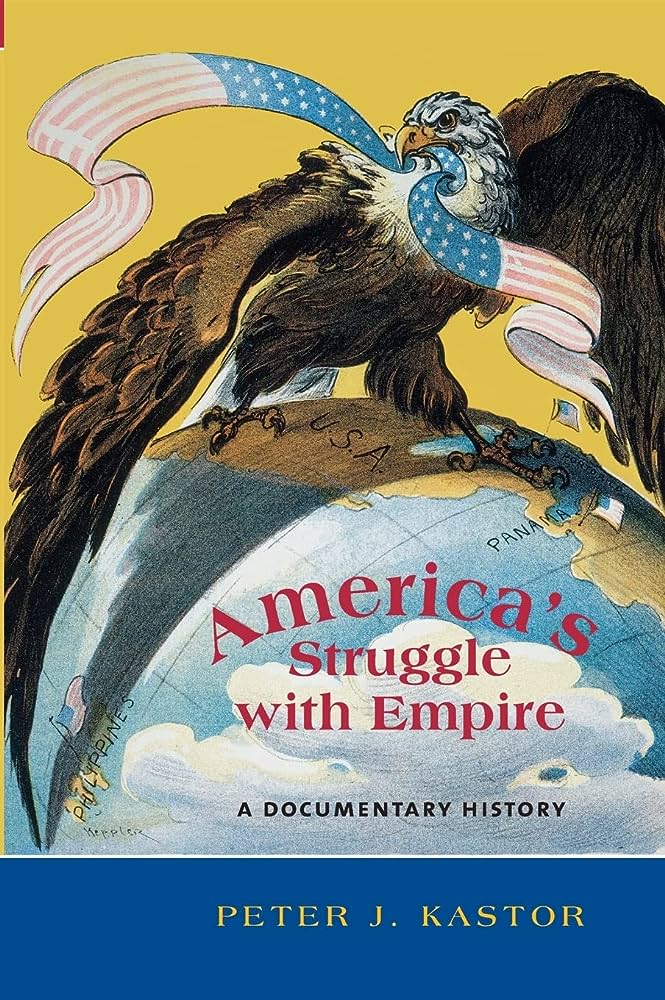
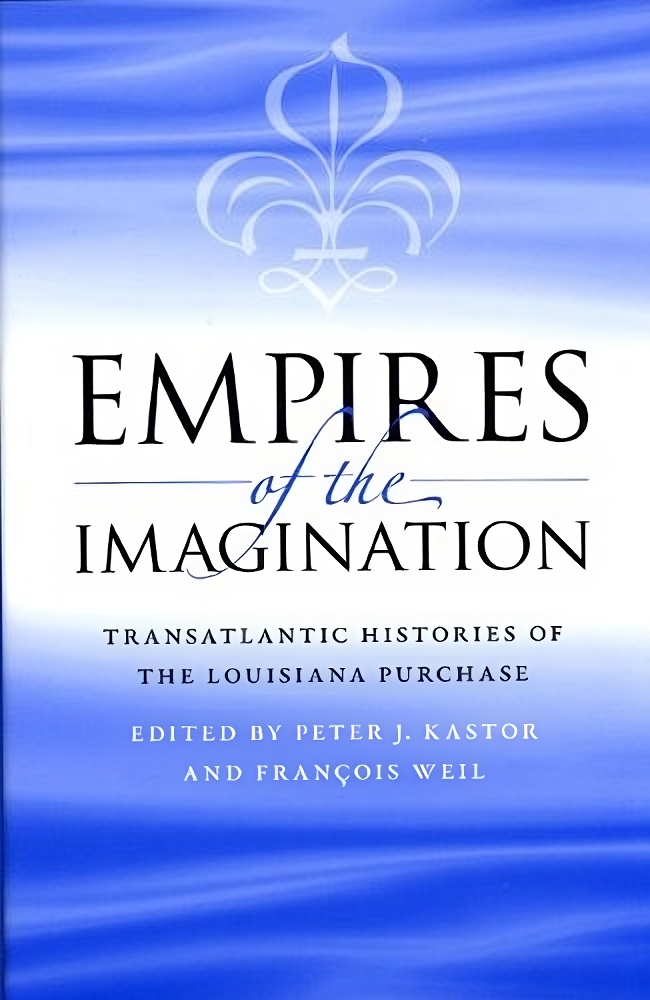
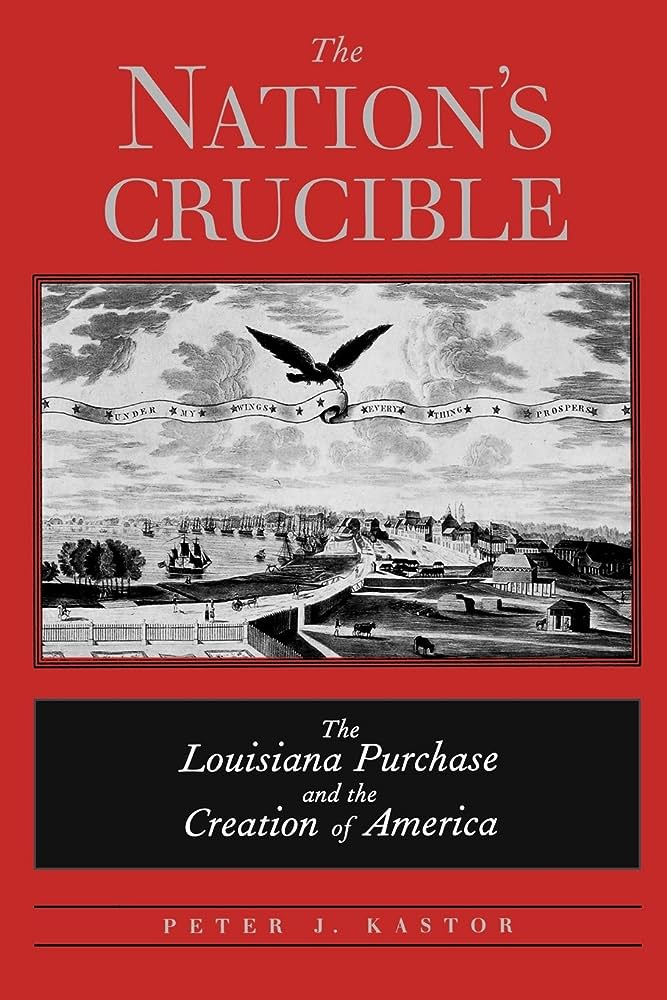
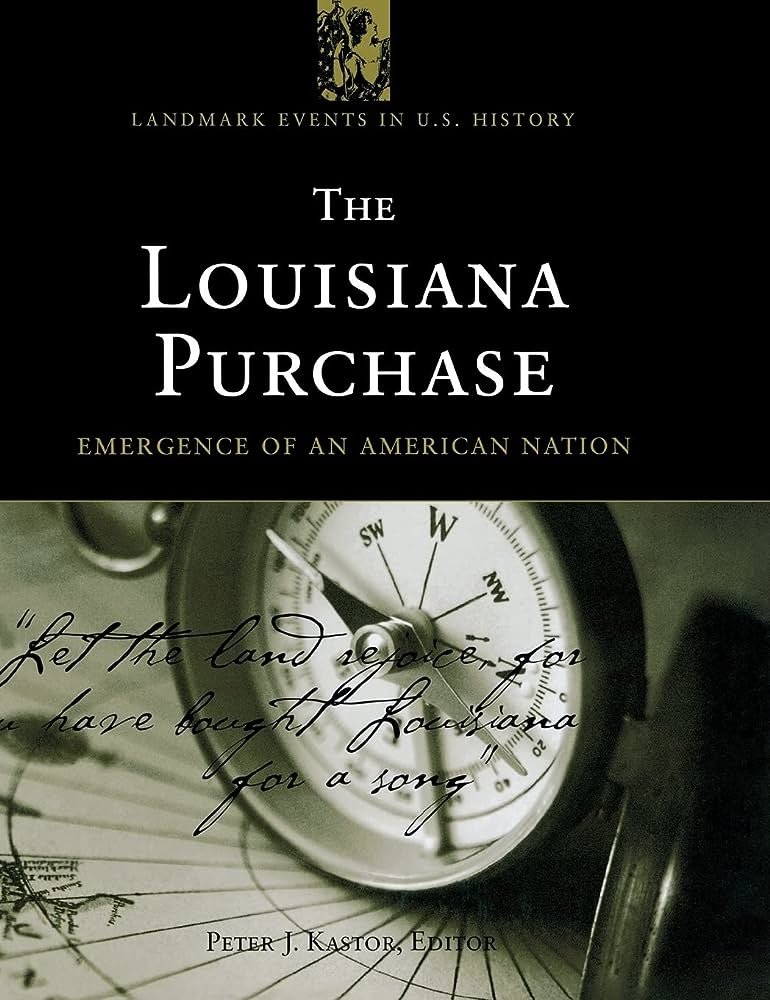
Books
Essays & Book Sections
“The Multinational History of Missouri Statehood and the Reimagining of North American Polities.”
A Fire Bell in the Past: The Missouri Crisis at 200, Jeffrey L. Pasley and John Craig Hammond, eds. Columbia: University of Missouri Press, 2021, Vol. 2.
“Mapping the Urban Frontier and Losing Frontier Cities.”
Frontier Cities: Encounters at the Crossroads of Empire. Adam Arenson, Barbara Berglund, and Jay Gitlin, eds. Philadelphia: University of Pennsylvania Press, 2012: 165-89, 2013.
“The Many Wests of Thomas Jefferson.”
Seeing Jefferson Anew: In His Time and Ours. John M. Boles and Randal L. Hall, eds. Charlottesville: University of Virginia Press: University of Virginia Press, 2010: 66-102.
“‘Adapted to its Present System of Government’: Legal Change, National Reorganization, and the Louisiana Civil Law Digest.”
“Writing a History for Exploration: What Became of Thomas Freeman and Peter Custis?”
Freeman and Custis Red River Expedition of 1806: Two Hundred Years Later. Lawrence M. Hardy, ed. Bulletin of the Museum of Life Sciences XIV, Louisiana State University in Shreveport, 2008: 325-44.
“Guardians and Gatekeepers: Lewis and Clark and the Louisiana Purchase.”
Finding Lewis & Clark: Old Trails, New Directions. James Ronda and Nancy Tystad Koupal, eds. Pierre: South Dakota State Historical Society, 2004: 25-44.
“An Identity by Any Other Name: Attachments in an Age of Expansion.”
The Louisiana Purchase and its Peoples: Perspectives from the New Orleans Conference. Paul E. Hoffman, ed. Lafayette: Louisiana Historical Society, 2004: 161-170.
“‘Louisiana is Ours!’: The Louisiana Purchase and the New Problems in American Foreign Policy, 1803-1815.”
Selected Papers from the Consortium on Revolutionary Europe, Kyle O. Eidahl, Donald H. Howard, and John Severn, eds. Tallahassee: Florida State University Press, 1998: 280-8.
Peer Reviewed Articles
“What are the Advantages of the Acquisition?’: Inventing Expansion in the Early American Republic.”
American Quarterly 60 (2008): 1003-35.
“Sacagawea’s ‘Cold’: Pregnancy and the Written Record of The Lewis and Clark Expedition.”
Co-author with Conevery Valencius. The Bulletin of the History of Medicine 82 (2008): 276-309.
“‘Young Men and Strangers’: Institutions, Collaborations, and Conflicts in Territorial Louisiana.”
The Journal of the West 43 (2004): 23-32.
“‘Motives of Peculiar Urgency’: Local Diplomacy in Louisiana, 1803-1821.”
The William and Mary Quarterly 3d. ser., 58 (2001): 819-48.
“‘Equitable Rights and Privileges’: The Divided Loyalties of Washington County, Virginia, During the Franklin Separatist Crisis.”
The Virginia Magazine of History and Biography 105 (1997): 193-226.
“Toward ‘The Maritime War Only’: The Question of Naval Mobilization, 1811-1812.”
The Journal of Military History 61 (1997): 455-80.
 Peter Kastor